How to Prepare for Your First Trip to Cameroon: The Complete Checklist
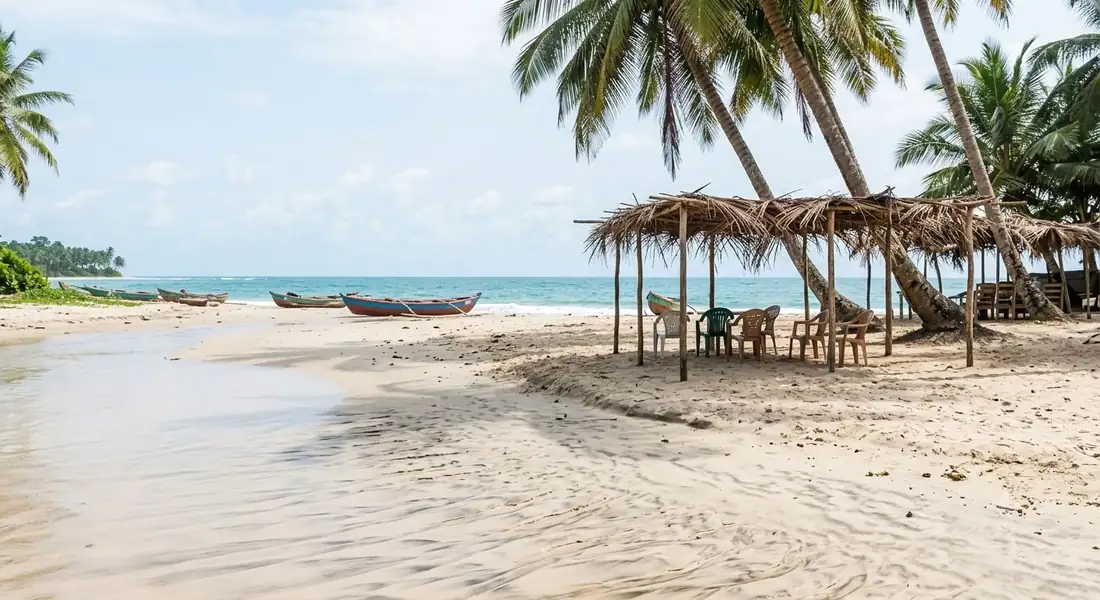
Cameroon is often called “Africa in miniature” because one country holds almost every landscape on the continent: rainforest, volcanic mountains, savannah, crater lakes and a long Atlantic coastline. That variety is exactly what makes a first trip so rewarding, and also why a little preparation goes a long way. This checklist walks you through everything to sort out before you fly, from paperwork and health to money, phones and packing.
1. Check your passport and apply for your visa early
Your passport should be valid for at least six months after the date you plan to leave Cameroon, with a couple of blank pages for stamps. Most visitors need a visa, and Cameroon now issues tourist visas online through the official evisacam e-visa portal. You fill in the form, upload your documents and pay online, then show the approval when you check in and on arrival.
- Apply at least two to three weeks before you travel. Processing is usually quick, but a missing document can add days.
- Typical supporting documents include a passport scan, a passport photo, your return ticket, a hotel booking or invitation letter, and your yellow fever certificate.
- Print your e-visa approval and keep a digital copy on your phone.
- Rules and fees change, so always confirm the latest requirements on the official portal or with the Cameroonian embassy in your country.
2. Get your yellow fever vaccination (it is required)
Cameroon requires every arriving traveller to show proof of yellow fever vaccination, and you may be refused entry without it. The certificate (the yellow card, or International Certificate of Vaccination) becomes valid 10 days after the injection, so book your appointment at a travel clinic at least four to six weeks before departure. While you are there, ask about:
- Malaria prevention. Malaria is present throughout the country. Your doctor can prescribe tablets that suit you; pack insect repellent and sleep under a net where one is provided.
- Routine and recommended vaccines such as hepatitis A and B, typhoid and tetanus.
- A small medical kit with rehydration salts, painkillers, plasters, hand sanitiser and any prescription medicines in their original packaging, plus enough to cover delays.
Comprehensive travel insurance that covers medical treatment and medical evacuation is strongly recommended.
3. Choose the right season
Cameroon stretches from the equator almost to Lake Chad, so the weather depends on where you go:
- South and the coast (Douala, Yaoundé, Kribi, Limbe): the main dry season runs roughly from November to February, the most comfortable time for beaches, city tours and forest trips. The rest of the year brings heavy rain, especially on the coast around Douala and Limbe.
- The western highlands (Bafoussam, Foumban, Dschang): cooler and greener all year, and lovely in the dry months.
- The north (Garoua, Ngaoundéré): dry from about October to April, the best time for savannah and national parks.
Climbing Mount Cameroon is best in the dry season, when the trails are firmer and the views clearer. The famous Mount Cameroon Race of Hope, a mountain running race up and down the volcano, is usually held early in the year.
4. Plan how you will arrive
Most international flights land at Douala International Airport (DLA), the country’s main hub, or at Yaoundé Nsimalen International Airport (NSI), about 23 km south of the capital. After a long flight, the easiest start is a pre-booked private car: a driver waits in arrivals with your name and takes you straight to your hotel at a fixed price. Compare options on our private airport transfers page.
Douala and Yaoundé are about four hours apart by road. If you land in the evening, spend your first night where you land and continue the next morning in daylight.
5. Sort out money: think cash first
Cameroon uses the Central African CFA franc (XAF or FCFA), which is pegged to the euro at 1 EUR = 655.957 FCFA. Euros are the easiest currency to exchange.
- Cash is king. Large hotels and some restaurants accept cards, but markets, taxis, small shops and many guesthouses are cash only.
- ATMs are common in Douala, Yaoundé and larger towns but scarce in rural areas. Withdraw what you need in the cities before heading out.
- Tell your bank you are travelling so your card is not blocked, and carry a second card as a backup.
- Keep small notes for tips, snacks and taxis; drivers rarely have change for large notes.
- Mobile money (MTN MoMo and Orange Money) is used everywhere by locals and can be handy if you stay a while.
6. Stay connected
Buying a local SIM card is cheap and makes life much easier for maps, ride-hailing, messaging your guide and checking your bookings. MTN and Orange are the two main networks; you will need your passport to register the SIM. Many recent phones also support travel eSIMs that you can set up before you leave. Download offline maps of the cities you will visit, plus a French translation app, before you fly.
7. Learn a few words of French (and some Pidgin)
Cameroon is officially bilingual. French is spoken in most of the country, including Douala and Yaoundé, while English is used in the North-West and South-West regions. On top of that there are more than 250 local languages, and Cameroonian Pidgin English is a common bridge between people. A friendly “Bonjour”, “Merci” and “S’il vous plaît” opens doors everywhere. Greetings matter: always say hello before asking a question.
8. Pack smart
- Light, breathable clothes, plus a warm layer for the highlands and Mount Cameroon, where nights can be cold.
- A rain jacket or compact umbrella, even in the dry season.
- Modest outfits for villages, palaces and places of worship; shoulders and knees covered is a good rule.
- Sturdy walking shoes or hiking boots if you plan to trek or visit waterfalls.
- Sunscreen, a hat, insect repellent and a reusable water bottle with a filter (drink bottled or filtered water).
- A universal adapter: Cameroon uses 220 V with type C and E (European two-pin) plugs, and a small power bank for outages.
- Photocopies of your passport, visa and yellow fever certificate, kept separately from the originals.
9. Read the official travel advice before you book
Most of Cameroon welcomes visitors, but some regions are affected by insecurity and your government may advise against travel there. Read your government’s current travel advice, register your trip with your embassy, and plan your route around it. We explain how in our guide to staying safe by following official guidance, and our listings show a clear advisory note on any region where governments currently advise caution.
10. Book the key pieces in advance
You do not need to plan every hour, but booking a few things ahead removes stress on your first visit:
- Your first two or three nights of accommodation. Browse hotels and lodges across Cameroon.
- Your airport transfer.
- Any guided trips, such as a Mount Cameroon trek, a Kribi beach weekend or a visit to a primate sanctuary. See things to do.
- A local guide in each new city. It is the best way to understand the culture, find great food and get around easily.
A simple first-trip route
For a first visit of 7 to 10 days, many travellers combine Douala (food, art and nightlife), Limbe and Buea (black-sand beaches, the botanic garden and Mount Cameroon) or Kribi (white-sand beaches and the Lobé Falls), and finish in Yaoundé for museums, markets and the Mefou primate sanctuary. Before you head south-west, check the latest advice for that region. For more ideas, read our 7-day Cameroon itinerary.
Your pre-departure checklist
- Passport valid for 6+ months
- E-visa approved and printed
- Yellow fever certificate (plus a copy)
- Malaria tablets and travel medical kit
- Travel insurance with medical evacuation
- Euros in cash and two bank cards
- Airport transfer and first nights booked
- Trip registered with your embassy
- Offline maps and translation app downloaded
With these basics in place, you can relax and enjoy what makes Cameroon special: warm people, extraordinary food and the chance to see half a continent’s landscapes in a single trip. Bon voyage!
Leave a Reply