Africa in Miniature: The Beauty, Diversity and People of Cameroon
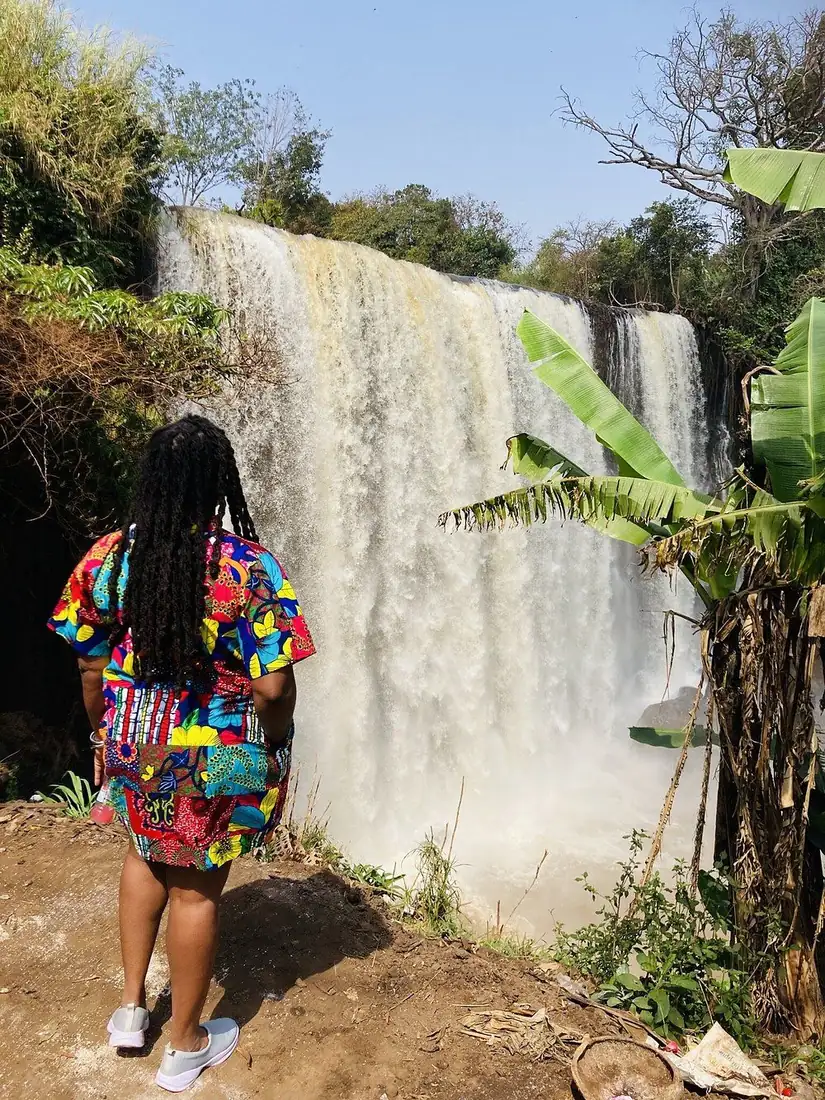
Few countries earn a nickname as fitting as Cameroon’s. Travellers and Cameroonians alike call it “Africa in miniature”, and once you have seen it, you understand why. Within one country you can climb an active volcano, swim below a waterfall that pours straight into the ocean, walk through ancient rainforest, watch the sun set over savannah and spend an evening dancing to makossa in Douala. Here is a celebration of what makes Cameroon so beautiful: its landscapes, its cultures and, above all, its people.
A whole continent of landscapes
Volcanoes and highlands
Mount Cameroon, near Buea, rises to about 4,040 metres, making it the highest peak in West and Central Africa and one of the continent’s most active volcanoes. Its slopes climb from tropical farms and rainforest to alpine grassland and bare lava fields, often in a single day’s hike. Further inland, the western highlands around Bafoussam, Dschang and Foumban are cool, green and dotted with tea plantations, crater lakes and waterfalls such as Ekom-Nkam, framed by tumbling ferns and mist.
Beaches of black and white sand
Cameroon’s Atlantic coast offers two very different seasides. Around Limbe, beaches of dark volcanic sand sit at the foot of Mount Cameroon, with fishing canoes pulled up beside palm trees. Further south, Kribi has long white-sand beaches, fresh grilled fish and the extraordinary Lobé Falls, one of the few waterfalls in the world that flows directly into the sea.
Rainforest and wildlife
The south and east are covered by the Congo Basin rainforest, one of the largest on Earth. The Dja Faunal Reserve, a UNESCO World Heritage Site, protects gorillas, chimpanzees, forest elephants and hundreds of bird species. Closer to the cities, sanctuaries such as the Limbe Wildlife Centre and the Mefou primate park near Yaoundé let you meet rescued chimpanzees, gorillas and drills while supporting conservation.
Savannah in the north
Head north and the forest gives way to wide savannah, rocky hills and sweeping skies. Bénoué National Park, near Garoua, is home to hippos, antelopes and rich birdlife along the river. The north’s landscapes and cultures are spectacular; check the latest travel advice before you plan a trip there, as some northern areas are currently subject to official warnings.
More than 250 peoples, one nation
Cameroon is home to more than 250 ethnic groups and as many languages, plus two official languages, French and English. Many Cameroonians switch easily between their mother tongue, French, English and Pidgin, sometimes in a single sentence. That diversity is visible everywhere: in the architecture, the clothing, the music and the food that change as you travel from region to region.
Kingdoms and chiefdoms
Traditional rulers still play an important role in many communities. In Foumban, the historic capital of the Bamoun kingdom, the Sultan’s palace and the royal museum tell the story of a dynasty going back more than 600 years. One of its sultans, Ibrahim Njoya, even created his own writing system around the turn of the twentieth century. The Grassfields chiefdoms of the west are famous for their palaces, elaborate beadwork, carved doorposts and masked dances.
Festivals that bring people together
Festivals are the best way to see Cameroon’s culture at its most joyful. The Ngondo festival of the Sawa peoples, held in Douala, honours the ancestors and the water spirits with canoe races and ceremonies on the Wouri River. In Foumban, the Nguon festival brings the Bamoun people together around their Sultan with parades, horsemen and traditional dress. Smaller village festivals happen year round; ask your guide what is coming up during your visit.
Music, art and football
Cameroon has given the world unforgettable music. Makossa, born in Douala, became famous internationally through saxophonist Manu Dibango. Bikutsi, the fast, hypnotic rhythm of the Centre region, keeps dance floors in Yaoundé moving late into the night. Douala is also a hub for contemporary art, with galleries, street sculptures and the doual’art centre. And then there is football: the Indomitable Lions are a national passion, and on match days the whole country seems to hold its breath.
A feast in every region
Cameroonian food is as varied as its landscapes. Try ndolé, the national dish of bitter leaves, peanuts and prawns or beef; poulet DG, chicken with fried plantains and vegetables; achu and yellow soup from the North-West; eru with water fufu from the South-West; and koki, steamed black-eyed bean cakes. In the evening, follow the smoke to a street grill for soya (spicy grilled beef skewers) or a whole grilled fish with plantains and a cold drink. Find our favourite places to eat on the restaurants page.
The real treasure: the people
Ask any visitor what they remember most about Cameroon and the answer is often the same: the people. Cameroonians are famous for their hospitality, humour and warmth. Strangers will walk you to the right bus stop, market traders will teach you a few words of their language, and a simple greeting can turn into a long conversation and an invitation to share a meal. Greetings matter here, so take the time to say hello, ask how someone’s day is going, and you will be rewarded with smiles everywhere you go.
That welcome is also why travelling responsibly matters. Use local guides, eat in family-run restaurants, buy crafts directly from artisans, and ask before taking photographs. Your trip then supports the communities that make Cameroon so special.
Start exploring
Cameroon rewards the curious traveller. Whether you come for the mountains, the beaches, the wildlife or the culture, you will leave with a sense of having seen many countries in one. Begin with our city guides, browse things to do, and if it is your first visit, read our guide to preparing for your first trip to Cameroon.
Leave a Reply